

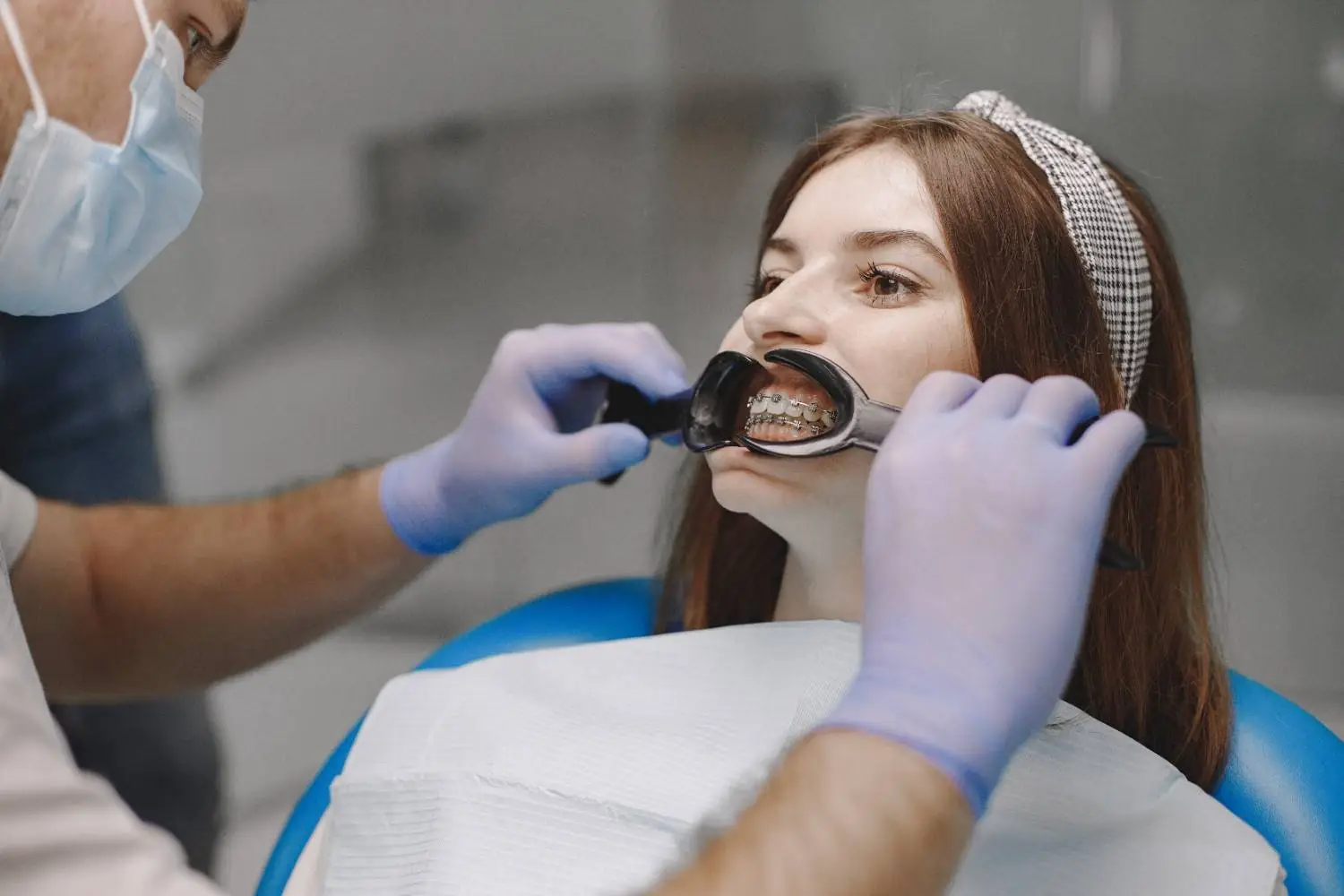
Nobody loves the word "tightening." It sounds uncomfortable before you've even sat down. But if you're looking into orthodontic adjustments near you and wondering what you're actually signing up for, the reality is a lot less dramatic than the name implies.
Once you understand what's happening during those visits, they go from dreaded appointments to the thing you actually need to keep the whole process on track.
Braces Don't Work on Their Own
This is the part that a lot of people miss when they start treatment. The wire sitting across your brackets loses tension over time as your teeth begin responding to it and shifting. Once that pressure drops, movement slows down. Sometimes it stops altogether.
Each adjustment visit is what resets that. The wire gets replaced or retightened, elastic ties get swapped out, and the whole system gets recalibrated so your teeth keep moving in the right direction. Without that, you're wearing hardware that's quietly stopped doing its job while your timeline stretches longer than it needed to.
Skipping an appointment doesn't pause your orthodontic adjustments in Littleton, CO. It just delays the result while you're still dealing with all the inconvenience of having braces.
What the Appointment Is Actually Like
Most adjustment visits are shorter than patients expect. Efficient, when things are going smoothly. It usually starts with a quick check of the brackets, wires, and any bands for damage or anything that's come loose. If something's irritating or broken, that gets fixed before anything else happens.
Then comes the wire. Depending on where you are in treatment, the archwire might get tightened or replaced with something slightly thicker. Thicker wire means your teeth have moved enough that the treatment can apply more specific pressure to keep refining things. The elastic ties get replaced at the same time.
For orthodontic adjustments in Littleton, CO, at Summit Family Orthodontics, the team tracks progress using digital X-rays, intraoral scanners, and CBCT imaging between visits. So there's always a clear picture of what changed and what the next step needs to be.
The Soreness Thing
After an adjustment, your mouth will feel different for a day or two. Tight. Maybe a dull ache. Some sensitivity when biting into food. This is the question almost every patient has, and the honest answer is that it's just the pressure working.
When the wire re-engages with fresh tension, the bone and tissue around your teeth slowly remodel in response. That remodeling is the actual mechanism that lets teeth move at all. The soreness is just a byproduct of it, and it usually peaks in the first 24 to 48 hours before fading.
Soft foods help. Soup, yogurt, scrambled eggs, smoothies, mashed potatoes, anything that doesn't require real chewing force. Over-the-counter pain relief is fine if it's more than mild. If something feels sharp or genuinely wrong rather than just sore, that's worth a call to your orthodontist in Littleton, CO.
How Often You're Coming In
Typically, every four to eight weeks, depending on your treatment plan and how your teeth are responding. Going longer between visits isn't catastrophic, but it does slow things down because the wire tension has dropped and progress has essentially plateaued until the next appointment.
This is actually one of the underrated reasons that finding the right orthodontist near you matters practically, not just clinically. Treatment timelines are partly biological and partly about logistics, and the logistics part is easier to control when your provider is easy to get in touch with and consistent about scheduling.
An orthodontist in Littleton, CO, who keeps appointments on track is a different experience from one where you're waiting ten weeks between visits because nothing was available sooner.
What Happens After the Braces Come Off
Once active treatment ends and the hardware comes off, there's still one more phase. Retainers. This is the part that gets quietly ignored more than anything else in orthodontics, and it's also what determines whether your results actually hold.
Teeth drift. It's just what they do when the pressure that was guiding them gets removed. The bone around them needs time to fully stabilize around the new positions, and retainers hold everything in place during that window.
Worn consistently at first, then usually just at night over the long term. Skip this part, and the results gradually reverse. Nobody wants to go through all that and then watch their teeth shift back over the next few years.
Any good orthodontist near you brings this up before treatment starts, because retention is part of the plan, not a footnote at the end.
Starting Is the Easy Part
Summit Family Orthodontics offers a free consultation for new patients. Dr. Thomas Berchtold runs a locally owned, family-focused practice, and as an orthodontist in Littleton, CO, with a team built around genuine relationships rather than volume, the experience from the first visit to the final result is designed to feel manageable.
If you've been putting off looking into orthodontic adjustments near you because the process sounds complicated or uncomfortable, it's worth coming in and getting a straight answer about what your specific situation actually needs.
Request your free consultation online or just call (303) 933-5339. Orthodontic adjustments in Littleton, CO, are how your treatment keeps moving. Don't let a little soreness be the reason you fall behind.


.svg)
.svg)
.svg)
