

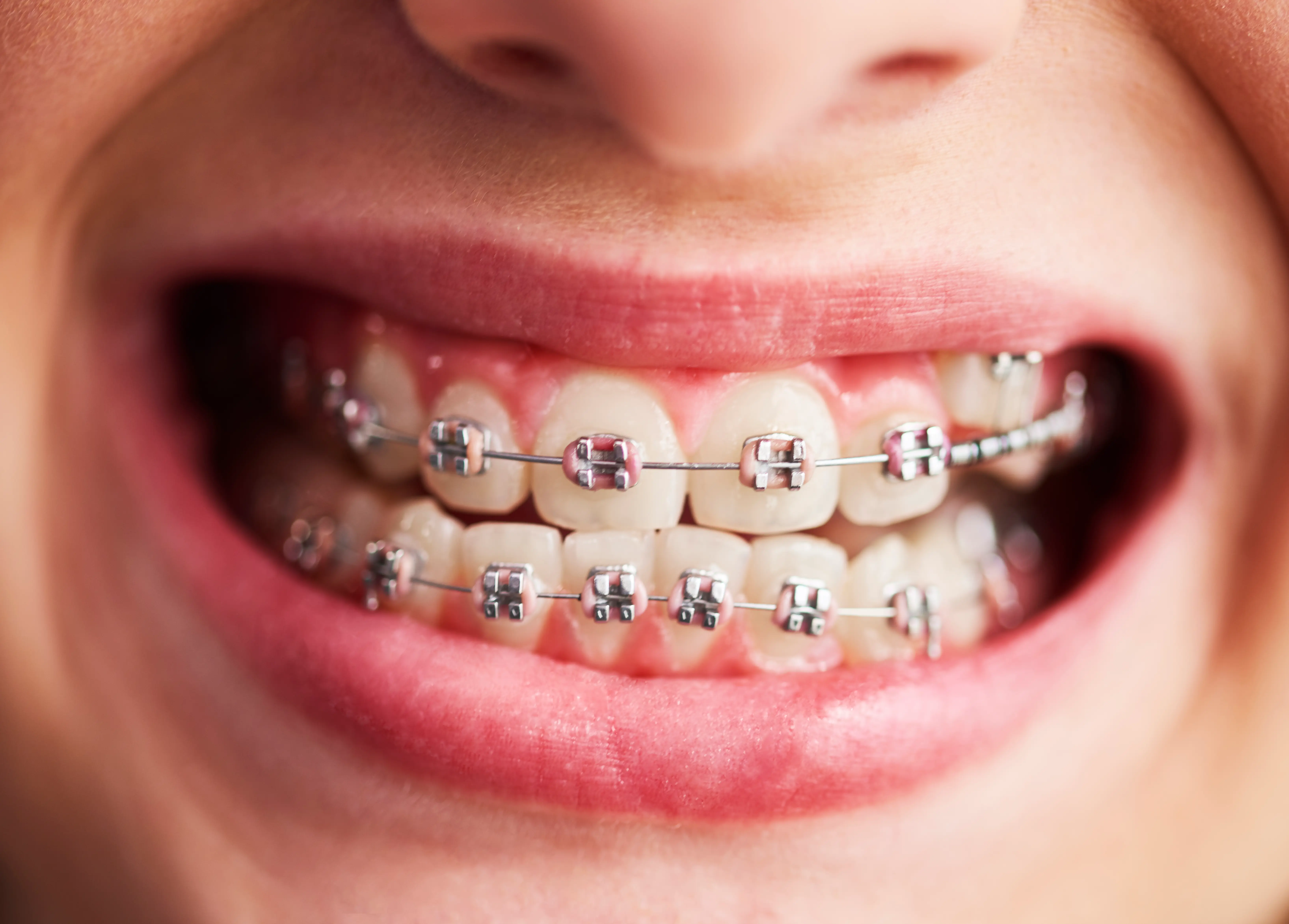
The old-fashioned metal braces involve brackets that are glued to your teeth and then joined by an archwire that gradually applies pressure to move the teeth. They have been in use for years now, and they work just fine.
Here at Summit Family Orthodontics, we fit kids, teenagers, and adults with metal braces every week. If you want to know how traditional metal braces in Littleton actually work in practice, here is a simple explanation for you.
How Do Traditional Metal Braces Actually Work?
The way traditional metal braces work lies in the use of brackets and an archwire that continuously push your teeth into a better position, moving them gradually. Each bracket is a handle. The archwire is a guide for your teeth. Small rubber bands attach the wire, and they are color-coded too.
Teeth do not sit in the jaw fixed in a spot. Rather, they are located in a special tissue that allows gradual reshaping of bones surrounding the teeth under the pressure. This is done deliberately to avoid damage to the tooth roots.
What Happens at Your First Visit?
Your first visit will be a no-obligation consultation, which includes photographs, X-rays, a digital scan, and a discussion of what is seen in these images. No tray-molding process. No push toward signing up.
Dr. Thomas (Tom) Berchtold, a board-certified orthodontist in Littleton, discusses what can be done and what the procedure entails in easy-to-understand terms so that you leave knowing all of your options.
Getting Your Braces On
Getting traditional metal braces in Littleton generally involves just one visit, and it is not painful. The process involves cleaning and drying your teeth, attaching the brackets with a tiny amount of dental glue, and threading the wires through the bracket slots using an activating light.
Your teeth might be a little sore after your initial fitting, and eating softer foods like mashed potatoes, soup, and scrambled eggs will make the adjustment easier than expected.
Living With Braces: Food, Cleaning and Comfort
Living with braces becomes pretty simple when you learn how to do everything right, and the most common rules have to do with food and brushing. These include:
● Avoid eating ice cubes, hard candies, and popcorn kernels.
● Don’t eat anything sticky (caramel, taffy, gum), as it can make your brackets fall off.
● Brush after every meal and floss daily; use a floss threader or an interdental brush if the wires get in the way.
● Wear rubber bands as prescribed by us, or you will slow down the process of treatment.
● Use orthodontic wax in case wires irritate your cheeks.
Cleaning around brackets requires some additional effort. That is why we provide free air polishing and cleanings at each appointment, which makes developing white spots less likely. When you compare traditional metal braces near you, check if this service is provided for free.
How Long Do Braces Take, and What Do They Cost?
Many individuals looking for traditional metal braces are concerned about the duration. It varies depending on several factors, but generally, patients wear braces for an average of one and a half to two years. Such factors include crowding, malocclusion, and the level of your adherence to treatment instructions.
The cost is another factor to take into consideration. The overall cost of treatment in our office is $4,500, which includes records, X-rays, initial exam, photos, and retainers after treatment. Payment plan starts from $250. Always remember to clarify details of the package when consulting any orthodontist near you.
Are Metal Braces Right for You, or Should You Consider Clear Aligners?
Most patients are suitable for wearing metal braces. They are especially effective for complicated bite cases, overcrowded teeth, and young patients who might lose their clear aligners by putting them in their lunch boxes.
Clear aligners are good for other patients. We are a Platinum Invisalign+ provider and will provide you with honest information on what suits you better.
Some of the patients do not care about appearance at all, and some prefer colored bands. Both ways, traditional metal braces in Littleton are an option worth trying.
Choosing an Orthodontist Near You: What to Ask
Good decisions start with asking the right questions, whether it’s about traditional metal braces near you or aligners. Who will actually treat you each time? How often will you need to see them? What if a bracket breaks on a Saturday? It happens to someone eventually.
We are a locally owned, family-oriented practice that accommodates emergencies. A good orthodontist near you should be willing to do the same.
Why Families Pick Our Orthodontist in Littleton
We are not just another dental clinic but your family dentist. Dr. Berchtold and our staff take the time to explain everything in detail. Our approach to enamel protection while using braces has reduced enamel scarring from over 50% to less than 10% at our practice.
We treat children, teenagers, and adults, which means the whole family can visit us together. Have questions? Please ask us anything!
Ready for a Straighter Smile?
A straighter smile begins with one complimentary visit. Come meet our orthodontist in Littleton and see what metal braces might do for you. Request your consultation with Summit Family Orthodontics today.


